
California's Zone 0 guidelines, in plain English
Zone 0 is the first 5 feet around a home. The proposed Board of Forestry rule for it is not in force yet. We explain it and tell you when anything changes.
Get Zone Zero Watch by email
A short digest every two weeks, plus an alert if the Board of Forestry rule changes.
Free. Unsubscribe anytime. We never share your email. Privacy
- Partly lawThe proposed Board of Forestry rule is not in force yet. But parts of the first 5 feet are already law in State Responsibility Areas (mostly rural land where the state fire agency, CAL FIRE, handles wildfire) and in Very High fire hazard zones (the highest of three ratings), and a few cities, like San Diego, have their own Zone 0 rules. Last checked November 28, 2026. Where it stands
- LatestNov 16, 2026: Board of Forestry sends its revised Zone 0 rule for state review
- InsuranceMany insurers already look for a clear 5 feet. What they look for
Which one are you?
What can stay? Tap anything in this yard.

Tap a and the answer shows here. 0 of 11 checked.
Zone Zero Watch
Dated news on Zone 0 rules from the state, cities and insurers, and what each change means for you.
-
 Board of Forestry sends its revised Zone 0 rule for state review
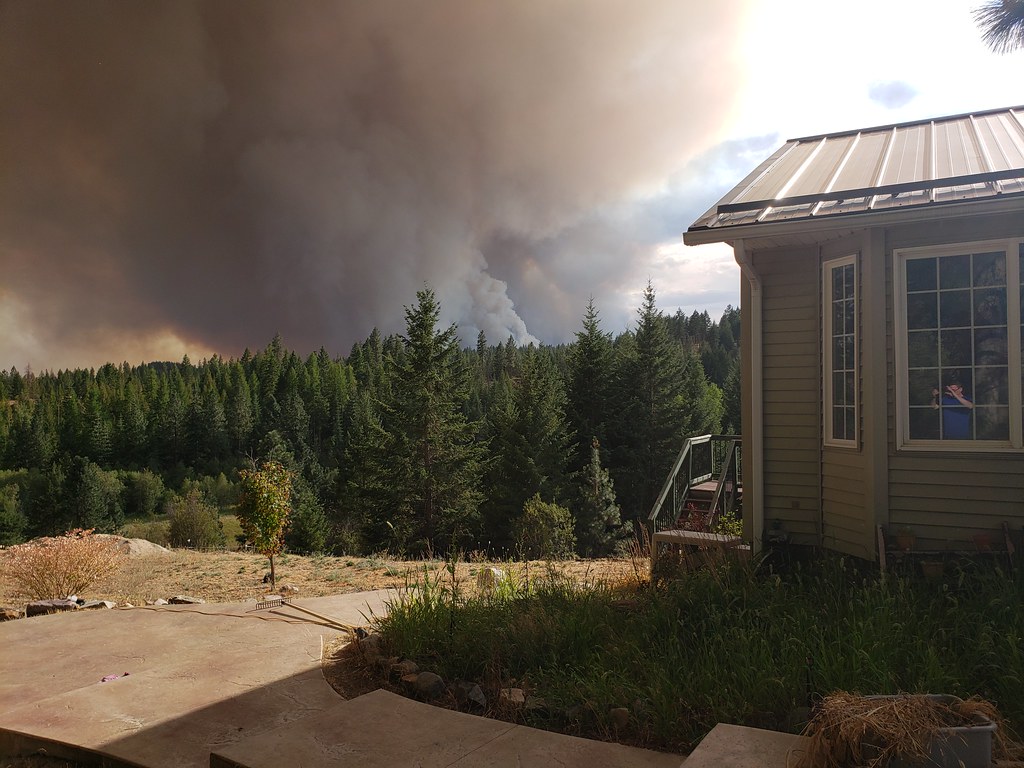
On November 16, 2026, the Board of Forestry sent the revised version of the proposed Board of Forestry rule to the Office of Administrative Law, the state office that must approve new rules before they take effect. That office has 10 calendar days to approve or reject it. The rule is not in force yet.
-
 Board readopts a revised Zone 0 rule
A revised version of the proposed Board of Forestry rule was adopted on November 5, 2026. The Board of Forestry said it would send it for state review on or after November 13. It is not in force, and there is no start date yet.
-
 Still no statewide Zone 0 rule
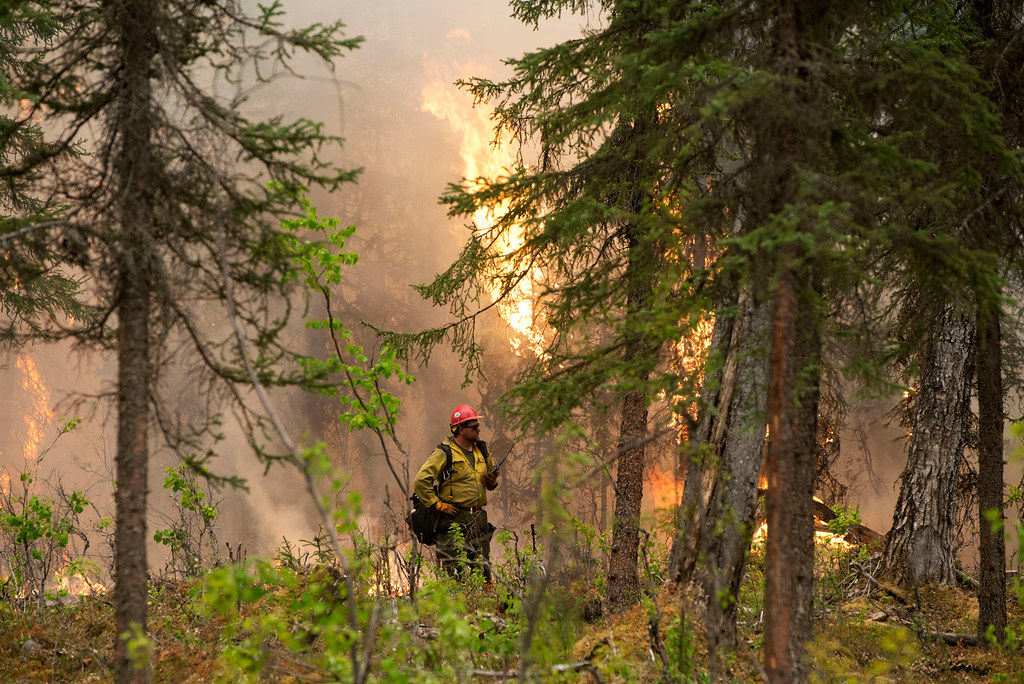
As of October 10, 2026, the state's list of emergency rules under review has nothing from the Board of Forestry. The Board of Forestry rule is not in force statewide. Some cities, like San Diego and Berkeley, have their own.
Do Zone 0 rules apply to my home?
The proposed Board of Forestry rule would apply in two kinds of places. The 100-foot defensible space law already applies in both today. You can also check the official maps yourself.
Outside city limits
Every building in a State Responsibility Area (SRA), the mostly rural land where CAL FIRE handles wildfire. Any fire hazard zone (officially, Fire Hazard Severity Zone or FHSZ), Moderate included.
Check the state mapSearch your address. The map shows if it is in a State Responsibility Area.
Inside a city or town
Occupied buildings in a Very High fire hazard zone, the highest of three levels, in a Local Responsibility Area.
Check the city mapSearch your address. The map shows its fire hazard zone.
More on where it applies. Sources: PRC 4291, Gov Code 51182.
Some cities already have their own rules
San Diego applies Zone Zero in its Very High fire hazard zones, Berkeley in two hillside areas, Auburn to new buildings, and South Lake Tahoe to properties in the city. Ask your city or fire district. Details
Is your yard ready?
Answer 9 yes-or-no questions and get a list of what to fix. Nothing is saved. The quiz follows the Board of Forestry rule. The result also shows what is already state law and where insurers ask for more.
What insurers check on the house
Insurers and the IBHS Wildfire Prepared Home standard look past the plants: roof, vents, the bottom of the walls, decks, eaves and windows. Most of that is not in the Board of Forestry rule. Each page says where it comes from.
-
 What is the IBHS Wildfire Prepared Home designation?
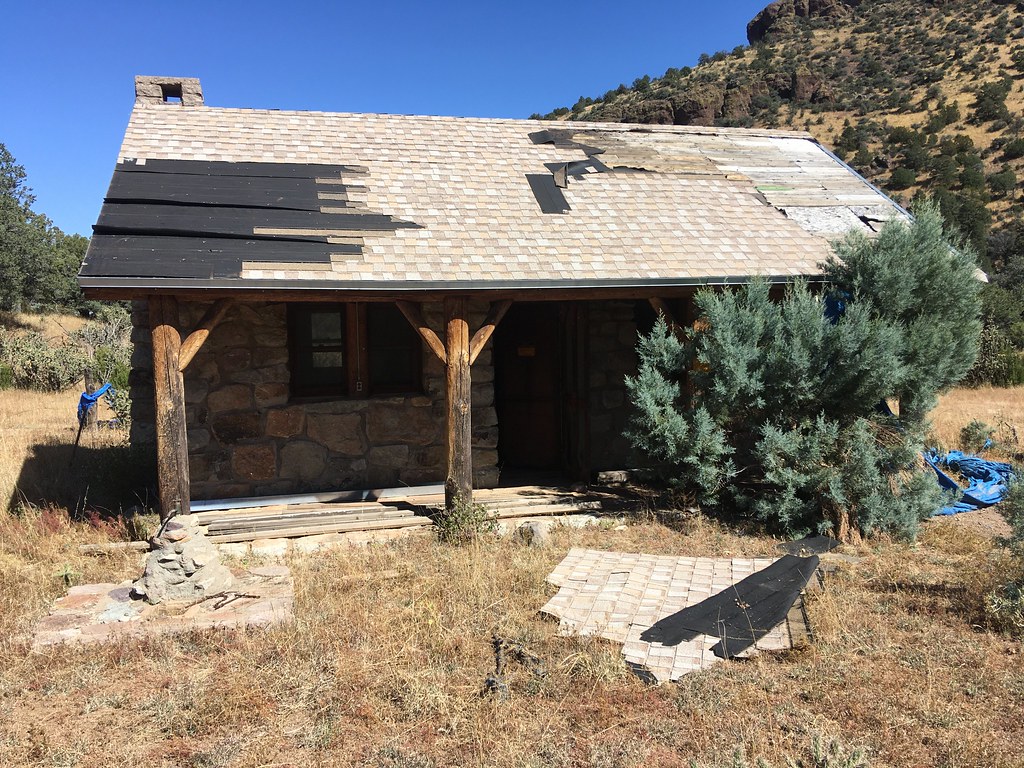
It is a home designation from the Insurance Institute for Business and Home Safety (IBHS). It is the main standard insurers use for the first 5 feet and the house. AAA will not non-renew a designated home for wildfire risk for at least 3 years. It does not guarantee coverage.
-
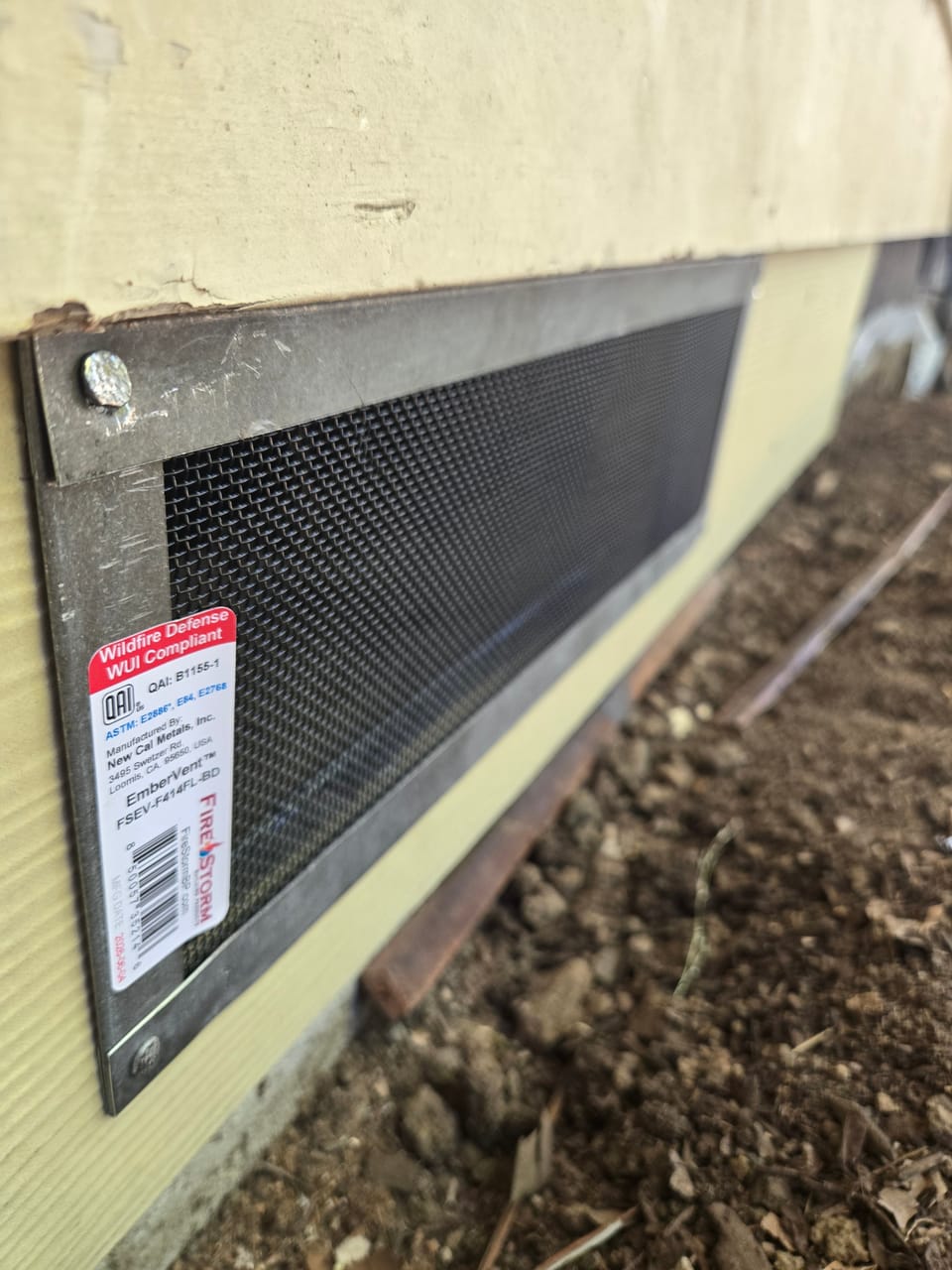
 Do I need flashing or noncombustible material on the bottom 6 inches of my walls?
Insurers ask for noncombustible material on the bottom 6 inches of every exterior wall. IBHS Essential requires it. It does not have to be flashing. The WUI Code requires it for new work. It is not required by law for an existing home, and it is not in the Board of Forestry's Zone 0 rule.
-
What size screen or mesh should go over vents?
Mesh with openings no bigger than 1/8 inch, or vents tested to the ASTM E2886 standard. The Safer from Wildfires and FAIR Plan lists both ask for ember-resistant vents. The Board of Forestry's Zone 0 rule sets no vent standard.
-
What do insurers want on and under my deck?
Clear under it, keep nothing stored there, and enclose a low deck with 1/8 inch mesh. IBHS Essential asks for all three. The clearing is also in the Board of Forestry's Zone 0 rule and on the Safer from Wildfires and FAIR Plan lists. The mesh is not.
When would I have to do it?
Existing homes would get time. The clock starts only when the Board of Forestry rule takes effect.
Already state law
Where the 100-foot law applies: roof clear of leaves and needles, no dead wood over the house, branches 10 feet from chimneys and stovepipes, firewood out of the first 30 feet unless fully covered, nothing stored under decks.
Right away
The proposed Board of Forestry rule would add: no new fences or gates that burn within 5 feet of the house.
Within 3 years
No bark mulch, firewood, leaves, needles or other debris that burns. Nothing stored under decks or stairs. Ladder fuels trimmed from trees. No live branches under the eaves. Live branches kept 1 foot from walls, 5 feet above the roof, 5 feet from attached decks and 2 feet from windows, doors and vents.
Within 3 years, or up to 5 if your local fire agency sets the schedule
Plant-free strips along the walls, windows, doors and vents. Only low non-woody plants elsewhere in the 5 feet. A 5-foot noncombustible section where fences and gates meet the house. Sheds under 120 square feet in the zone must be noncombustible.
Based on the Board of Forestry rule as revised November 5, 2026, and PRC 4291. New homes follow a separate timeline.
Will it affect my insurance?
It already can. Many insurers look for a clear 5 feet now, mostly through IBHS Wildfire Prepared Home (WPH), a home designation. It matters more for getting and keeping coverage than for the discount.
- AAA will not non-renew a WPH home for wildfire risk for at least 3 years (AAA). State Farm has a pending filing to write WPH homes (Department of Insurance). WPH does not guarantee coverage.
- Insurers have to offer discounts for wildfire safety work. Each 5-foot discount item averages about 0.5 to 1% of the full premium (Resources for the Future, a research group).
- Your insurer has to give you your wildfire risk score and explain how to lower it.
- The FAIR Plan has 12 wildfire discounts. All 12 can take up to 16.4% off the wildfire part of the premium.
- Clearing the 5 feet still helps either way, because that is where embers land.
Is it allowed?
- Bark and wood chip mulch Not allowed under the Board of Forestry rule (proposed) No. Combustible mulch, including bark and wood chips, is not allowed within 5 feet of the house.
- Gravel, rock and pavers Allowed Pulling bark out from around your house? Gravel is the usual swap, and it is allowed in Zone 0, the first 5 feet around a house. Gravel, river rock, decomposed granite (crushed rock that packs firm), pavers and concrete do not burn. Keep leaves and weeds off them, because those do.
- Firewood Not allowed, already law That handy stack by the back door is the problem. In federal fire tests in strong wind, a burning woodpile set 3 to 24 feet from a small building lit the mulch at its base, and fire reached the wall every time. So no. Where California's defensible space law applies, firewood already has to be at least 30 feet from the house unless it is fully covered. The Board of Forestry's Zone 0 rule for the first 5 feet, not in force yet, would ban it there outright.
- Dead leaves and pine needles Not allowed, already law Fall is when many trees drop their leaves and needles into gutters and against walls. Fall and early winter are also when many of California's worst fires have started: 15 of the 20 most destructive began between September and January. The answer is no: dry leaves and pine needles cannot pile up on the roof, in the gutters or in the first 5 feet around the house, called Zone 0. Where California's defensible space law applies, clearing them is already required. That law sets how much you clear around buildings in fire country. The Board of Forestry's Zone 0 rule, not in force yet, says the same for the first 5 feet.
- Lawn and low ground cover Allowed, with limits Lawn next to the house? It can stay if you keep it short. Under the proposed Board of Forestry rule, grass is allowed in Zone 0, the first 5 feet around a house, if it stays 3 inches tall or shorter, has nothing dead or dying in it, and stays out of a few bare strips next to the house.
- Small plants (3 to 18 inches) Allowed, with limits Want flowers next to your house? Zone 0 is the first 5 feet around it. Under the Board of Forestry's Zone 0 rule, low plants with soft green stems can stay there. Short ground covers can fill the space. Flowers and grasses up to 18 inches tall go in small clumps with gaps between them.
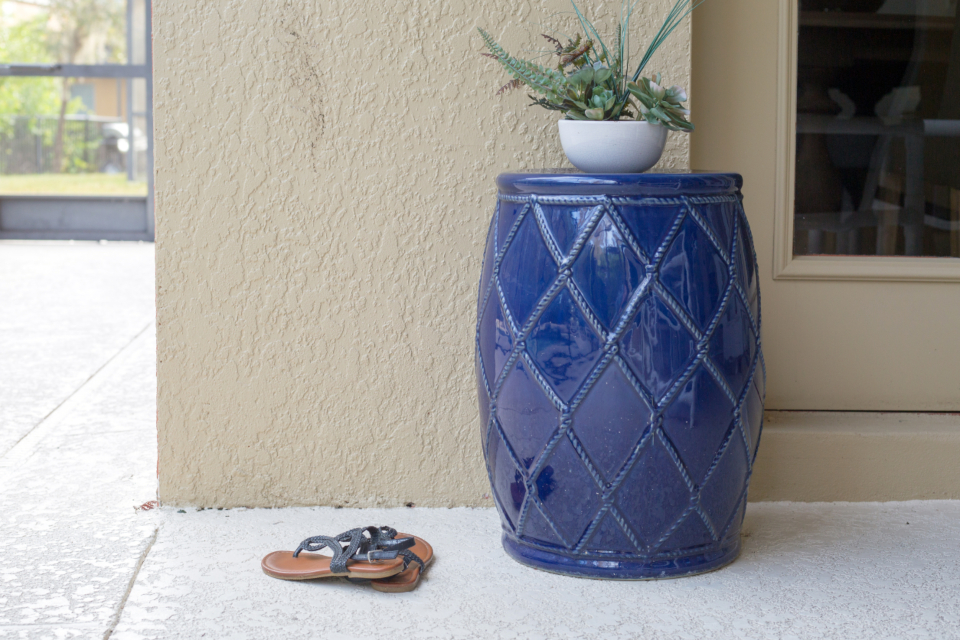
- Potted plants Allowed, with limits Potted plants can stay in Zone 0, the first 5 feet around a house, with limits. Under the proposed Board of Forestry rule, each pot must be one that doesn't burn (clay, ceramic, concrete or metal), hold 5 gallons or less, stand 2 feet from the next and stay out of the clear strips next to the house. Plants must be soft-stemmed and 18 inches tall or less. Check your pots against the table below.
- Shrubs and woody plants Not allowed under the Board of Forestry rule (proposed) Many homes have shrubs right against the walls: a hedge under a window, a rosemary by the door. Under the proposed Board of Forestry rule, they could not stay in the first 5 feet around the house, called Zone 0. Only low plants with soft green stems would be allowed there. In federal fire tests, a dried fir tree the size of a shrub burned with flames about 13 feet tall.
- Plants against the house Not allowed under the Board of Forestry rule (proposed) Not allowed: plants within 1 foot of your walls, 2 feet of windows, doors and vents, or 5 feet of an attached deck, stairs or pergola. If your roof overhang (the eaves) sticks out more than 1 foot, the bare strip runs to its edge. That is the proposed Board of Forestry rule for Zone 0, the first 5 feet around a house.
- Wood fence attached to the house Allowed, with limits No, not the whole fence. Zone 0 is the ground within 5 feet of your house. Under the proposed Board of Forestry rule, only the 5 feet of fence closest to your house, and any gate in that stretch, would have to be made of something that cannot burn, like metal. The rest of a wood fence can stay.
- Sheds and outbuildings Allowed, with limits Not within 5 feet, unless it is all metal or another material that does not burn. That is what the Board of Forestry rule says for the first 5 feet around a house. Federal fire tests say even that is too close: a burning shed needs at least 10 feet from a fire-resistant house wall if it is 26 square feet or less (about 5 by 5 feet), and 15 feet if it is up to 8 by 8 feet.
- Storage under decks and stairs Not allowed, already law No. Keep nothing that burns under a deck, balcony or stairs. For decks that can burn, this is already state law in fire hazard zones. Clear out lumber, firewood, cushions, boxes and dead leaves, and leave bare ground.
- Tree branches near the house Limits already law An existing tree can stay if you trim it. Keep every branch at least 10 feet from a chimney or stovepipe, and remove dead branches over the roof. Both are already state law for many homes. The proposed Board of Forestry rule adds more distances for trees within 5 feet of the house.
Nothing found. Try a simpler word, like plant, mulch or fence.
Photos by Devan Hemmings unless noted.
Corrections
- October 18, 2026. An earlier version said the 5 feet alone averages 0.5 to 1% of the premium. In the Resources for the Future study, that is the average for each 5-foot discount item.